
Albanian cuisine
Mediterranean cuisine shaped by geography, history, and hospitality.

Kevin Rechts - kaveman743 · CC BY-SA 2.0
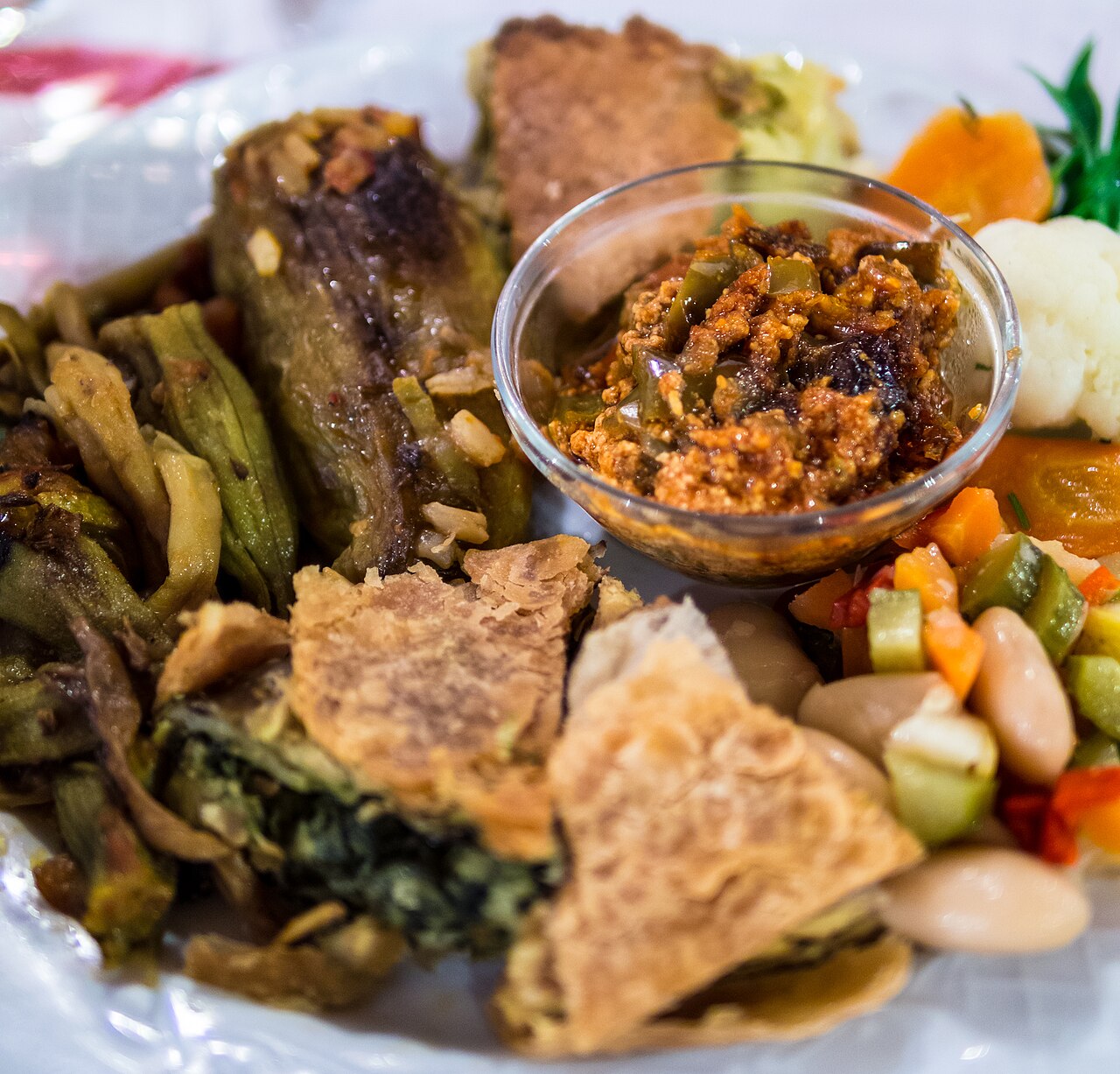
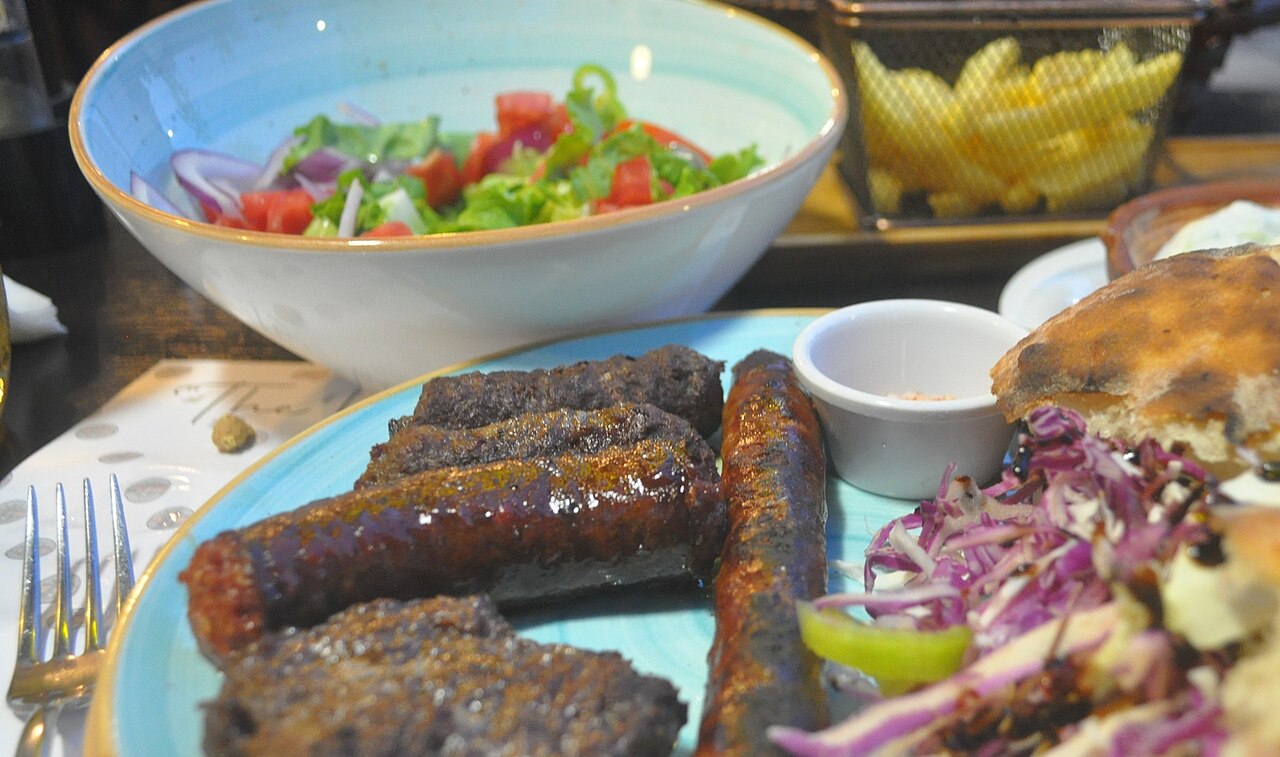
Albanian cuisine is a representative of the cuisine of the Mediterranean and an example of the Mediterranean diet, emphasizing olive oil, fruits, vegetables, and fish. The cooking traditions of the Albanian people are diverse due to environmental factors suitable for cultivating nearly every kind of herb, vegetable, and fruit. Hospitality is a fundamental custom, with serving food integral to hosting guests, rooted in the medieval code of honor called besa.
- field
- Cuisine
- nationality
- Albanian
- known_for
- Mediterranean diet, olive oil, hospitality, regional diversity
- key_ingredients
- Olive oil, garlic, onions, herbs, fish, vegetables
- regional_cuisines
- Northern, Central, Southern
Lore & Background
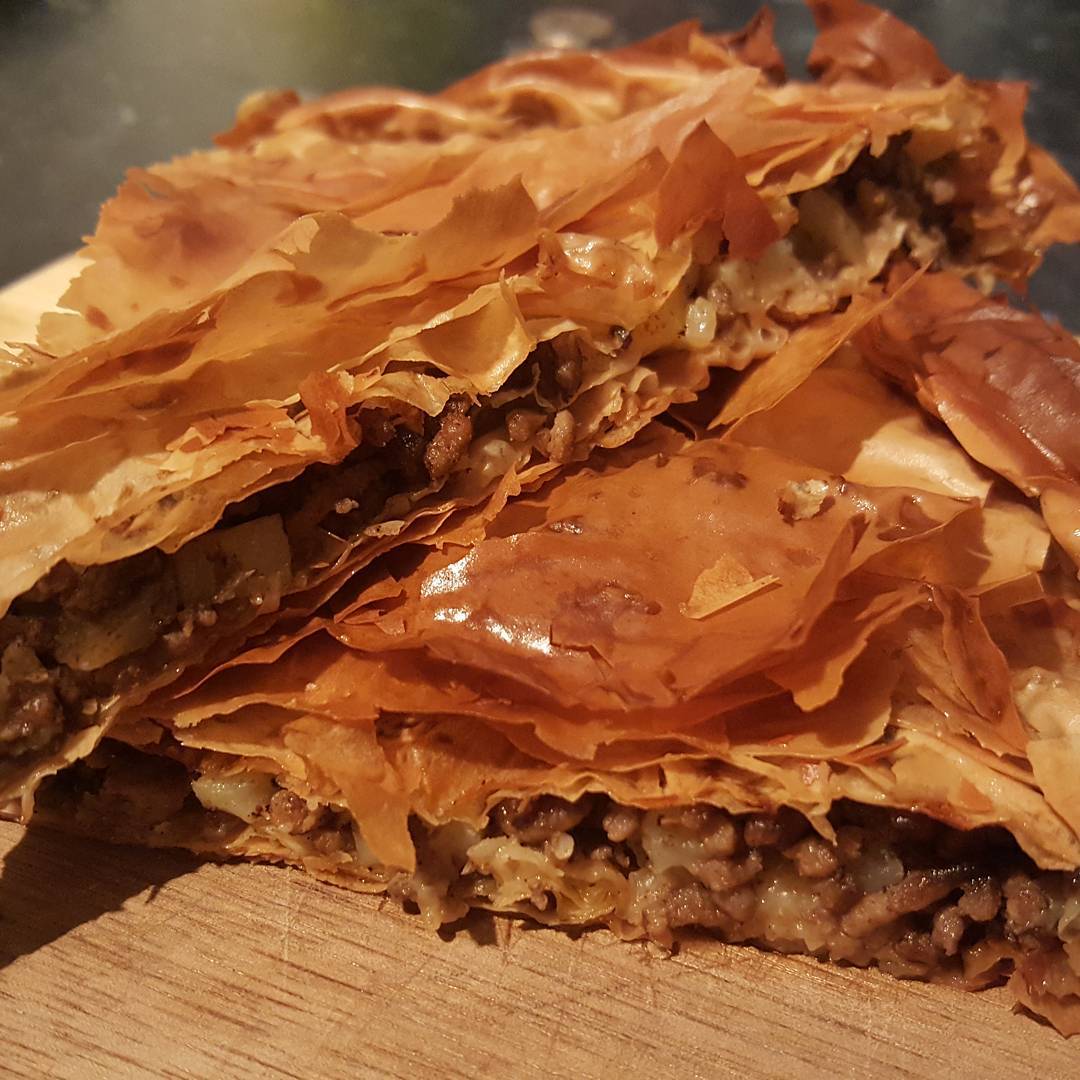
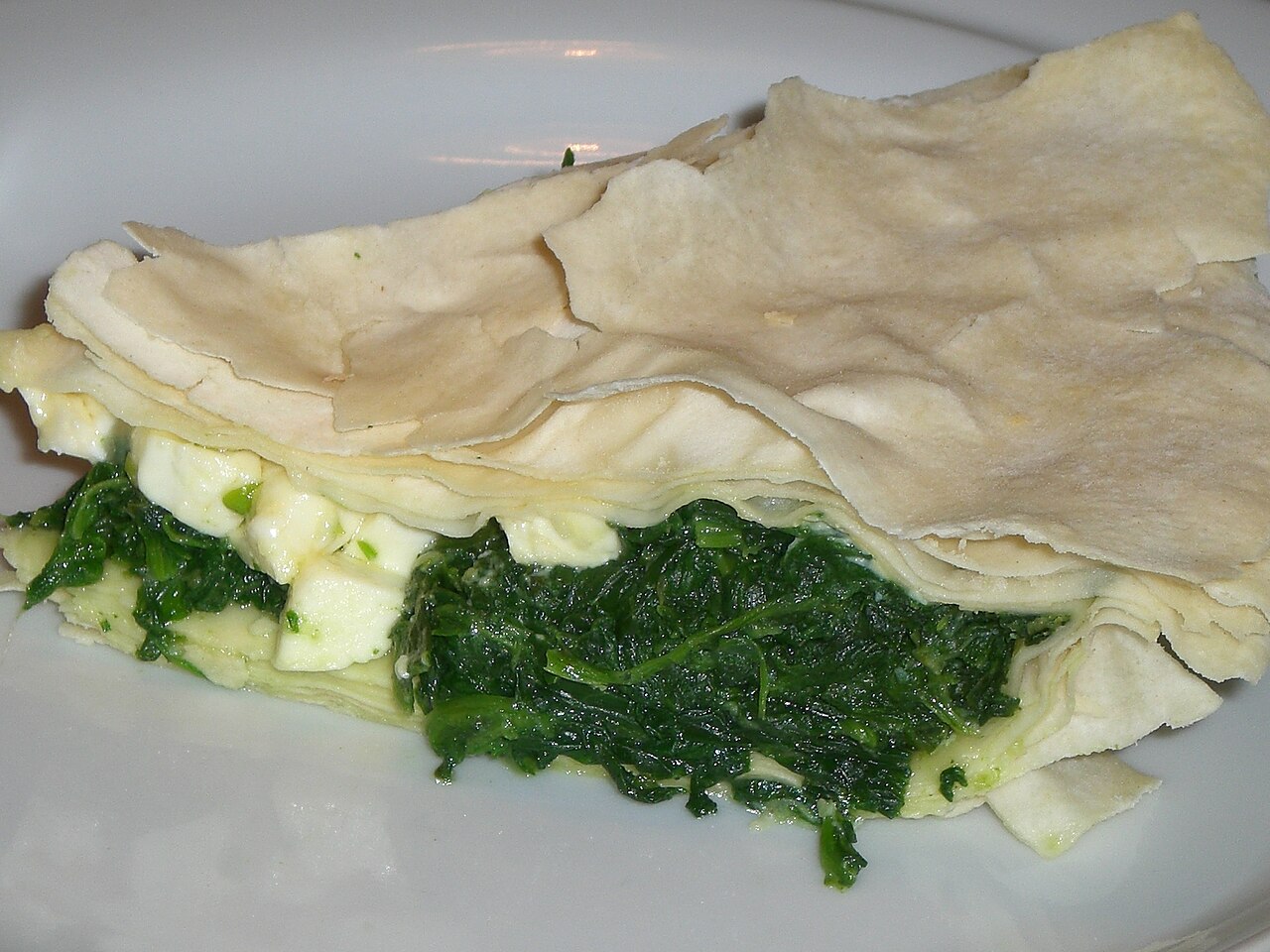
Albanian cuisine is strongly influenced by the country's geography and history, drawing from Mediterranean, Ottoman, and Balkan culinary traditions. Its culinary heritage traces back to the Illyrian era (900 BCE-600 CE), when the diet consisted of grains, legumes, wild herbs, and dairy products. The Romans brought grapes, olives, and staples in the 2nd century CE. Byzantine rule introduced typical Mediterranean ingredients, while the Ottoman conquest in the 15th century integrated Turkish elements such as byrek, baklava, kebabs, and spices like cinnamon and cloves.
Reader's Guide
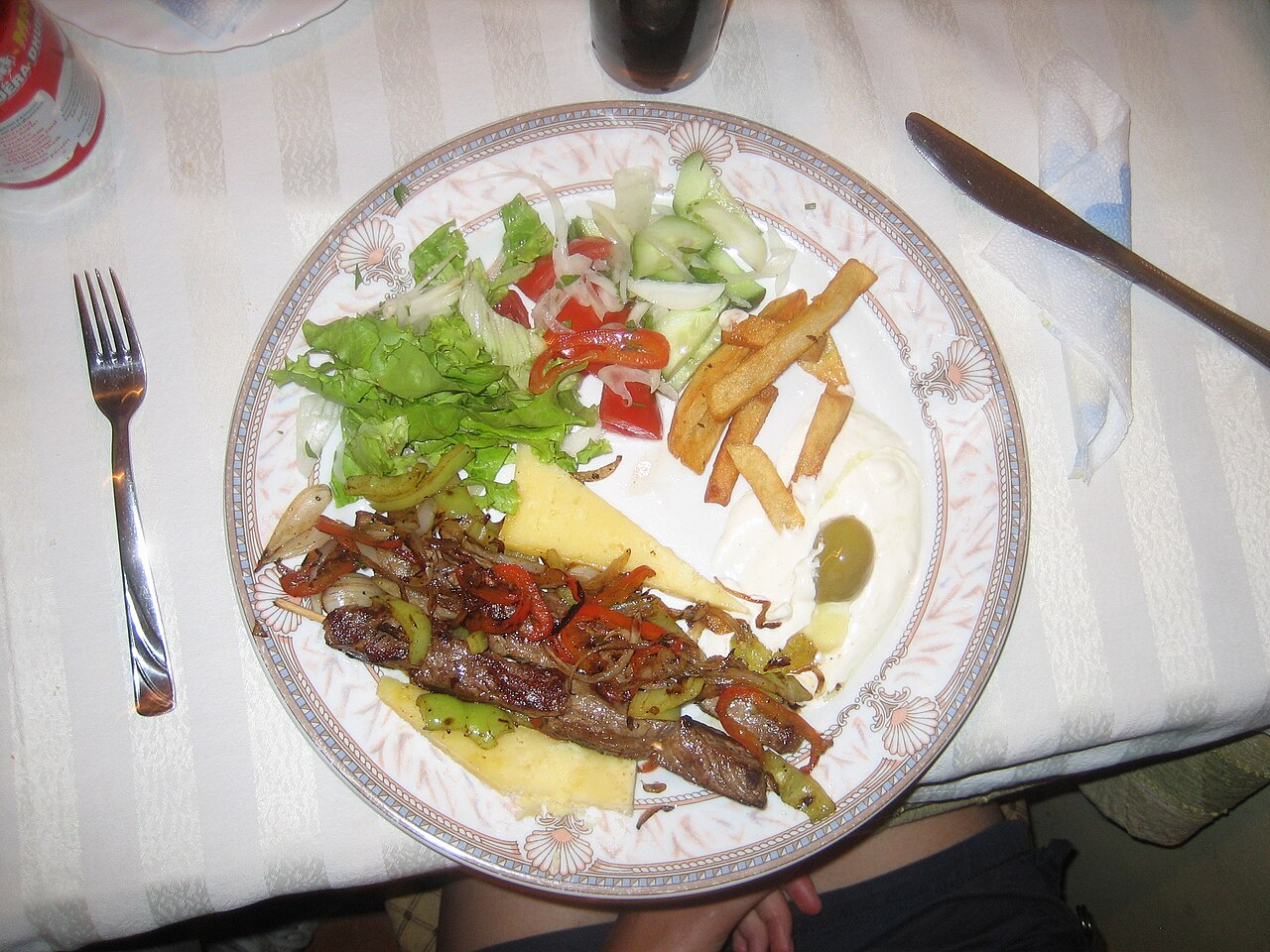
Albanian cuisine's significance lies in its reflection of the country's diverse geography and historical layers. The cuisine is divided into three major regional cuisines: northern, central, and southern, each with distinct characteristics based on rural, coastal, and mountainous origins. The northern region emphasizes meat, fish, and vegetables like potatoes, carrots, and beans. The central region is the flattest, rich in vegetation and fish, with meat specialties and desserts. The south features dairy products, citrus fruits, olive oil, and seafood. Olive oil is the most ancient and commonly used vegetable fat, produced since antiquity. Onions are arguably the most widely used ingredient, with Albania ranked fifth in the world in onion consumption per capita. The cuisine underwent significant changes during the 45-year Communist rule of Enver Hoxha, which rationed food, prohibited fishing, and promoted a singular national cuisine emphasizing simplicity. Since the end of Communist rule, new generations have revived traditional elements.
Did You Know?
- Albania is ranked fifth in the world in terms of onion consumption per capita.
- The medieval Albanian code of honor, called besa, required looking after guests and strangers.
- Albania is a leading producer and exporter of herbs, including oregano, thyme, sage, and rosemary.
- During the Communist rule of Enver Hoxha, fishing was prohibited and food supplies were rationed.
Neolithic Foodways and the Domestication of Herds
Around 7000 BC, the Neolithic era dawned in what is now Albania, marking a fundamental shift in how communities sourced their sustenance. The archaeological record reveals the domestication of sheep and goats alongside small-scale agriculture, signaling a move away from the purely foraging and hunting lifeways of the preceding Mesolithic period. Evidence from Mesolithic sites near the Adriatic coastline and in caves, including flint and jasper tools alongside fossilised animal bones, paints a picture of earlier communities relying on wild game. The Konispol cave offers a particularly striking snapshot of this transition, where Mesolithic strata coexist with Pre-Pottery Neolithic finds, suggesting that some of the Neolithic population may have been direct descendants of the southern Balkan Mesolithic groups. This gradual shift toward herding and cultivation laid the deep agricultural foundations upon which Albanian food culture would eventually be built, connecting the earliest inhabitants to the pastoral traditions that persist in the region's landscape to this day.
Coastal and Interior Food Cultures
The geographical diversity of Albania, stretching from rugged snow-capped mountain ranges to fertile lowland plains along the Adriatic and Ionian seacoasts, created naturally distinct zones of food production and preparation. This split is visible in the archaeological record of the Neolithic period. After 6500 BC, the Cardium pottery culture emerged along the coastal stretches of Albania and spread across the Adriatic, reflecting a maritime-influenced material tradition tied to the seashore. Meanwhile, settlements in the interior participated in the broader processes that gave rise to the Starčevo culture, indicating a separate developmental trajectory shaped by inland conditions. These two parallel streams—one oriented toward the sea, the other toward the continental interior—suggest that even in prehistoric times, the people of this region were developing divergent approaches to food preparation, storage, and daily sustenance, each shaped by the particular resources their landscape offered.
Vessels, Bitumen, and the Infrastructure of Eating
Long before written records, the people of this region had already developed sophisticated material solutions for handling, storing, and preparing food. The bitumen mines at Selenicë, in use from the Late Neolithic era around 5000 BC, provided a high-quality substance that local communities employed as a pigment for ceramic decoration, a waterproofing agent, and an adhesive for mending broken vessels. This practical application—sealing and repairing the containers that held their daily provisions—demonstrates an early understanding of food preservation and storage technology. The bitumen of Selenicë was so valued that it circulated toward eastern Albania from the early fifth millennium BC, and evidence of overseas trade export reaches back to the Neolithic and Bronze Age southern Italy. Alongside these vessels, bone and stone tools found at sites like Mount Dajt, comparable to those of the Aurignacian culture, hint at the cutting, processing, and preparation techniques that accompanied everyday meals in prehistoric communities.
A Landscape Shaped for Sustenance
Albania's physical geography, spanning 28,748 square kilometres of varied climatic, geological, hydrological, and morphological conditions, has long served as the foundational canvas for its food traditions. The country's terrain ranges from the snow-capped peaks of the Albanian Alps and the Korab, Skanderbeg, Pindus, and Ceraunian Mountains down to the fertile lowland plains that fringe the Adriatic and Ionian coasts within the broader Mediterranean basin. This vertical and horizontal diversity means that a single region encompasses alpine, continental, and maritime environments, each offering distinct resources for sustenance. The Illyrian tribes who inhabited the land—the Ardiaei, Bylliones, Dassaretii, Enchele, Taulantians, and Chaonians—settled across these varied zones, and the later Greek colonial foundations along the coast, most notably Apollonia, introduced additional agricultural and culinary influences. The interplay of mountain grazing, coastal fishing, and lowland cultivation has defined the material basis of Albanian food culture from its earliest documented periods onward.
Gallery
Frequently Asked Questions
Who is Albanian cuisine?
Albanian cuisine is the culinary tradition of the Albanian people, recognized as a Mediterranean-diet representative built around olive oil, fresh produce, and seafood. It reflects centuries of local cooking shaped by the country's varied climate and terrain.
What are Albanian cuisine's signature ingredients and role?
Its core 'powers' revolve around olive oil, garlic, onions, fresh herbs, vegetables, and fish, which form the backbone of most dishes. Beyond flavor, it plays a social role: hosting guests and sharing a meal is considered a sacred act of hospitality.
How does Albanian cuisine's story end?
As a living tradition rather than a fixed narrative, its 'ending' is ongoing—each generation adapts regional recipes while preserving the Mediterranean foundation. The story continues through family kitchens, village markets, and the seasonal harvests that still drive what ends up on the table.
Why is Albanian cuisine important?
It embodies the Mediterranean diet's emphasis on whole, plant-forward ingredients and has been shaped by geography, history, and a deep cultural code of hospitality known as besa. Its regional variations across Northern, Central, and Southern Albania showcase how one nation's table can hold many distinct flavors.
What makes Albanian cuisine's hospitality tradition unique?
Serving food to a guest isn't just polite—it's a near-sacred obligation rooted in the medieval honor code besa, which binds the host to care for whoever enters their home. This makes every meal a social ritual as much as a nutritional one.
More in Albanian cuisine 1-18
Spotted an error? Know more?
This is a living reference — every entry is fact-audited, and reader corrections feed straight into our audit queue. Suggest an edit · See this site's audit record